His own account他亲口讲的
Hours of conversation in his own words, kept whole instead of cut down to a chapter.好几个小时的谈话,用他自己的话,完整留下,不删成一章。
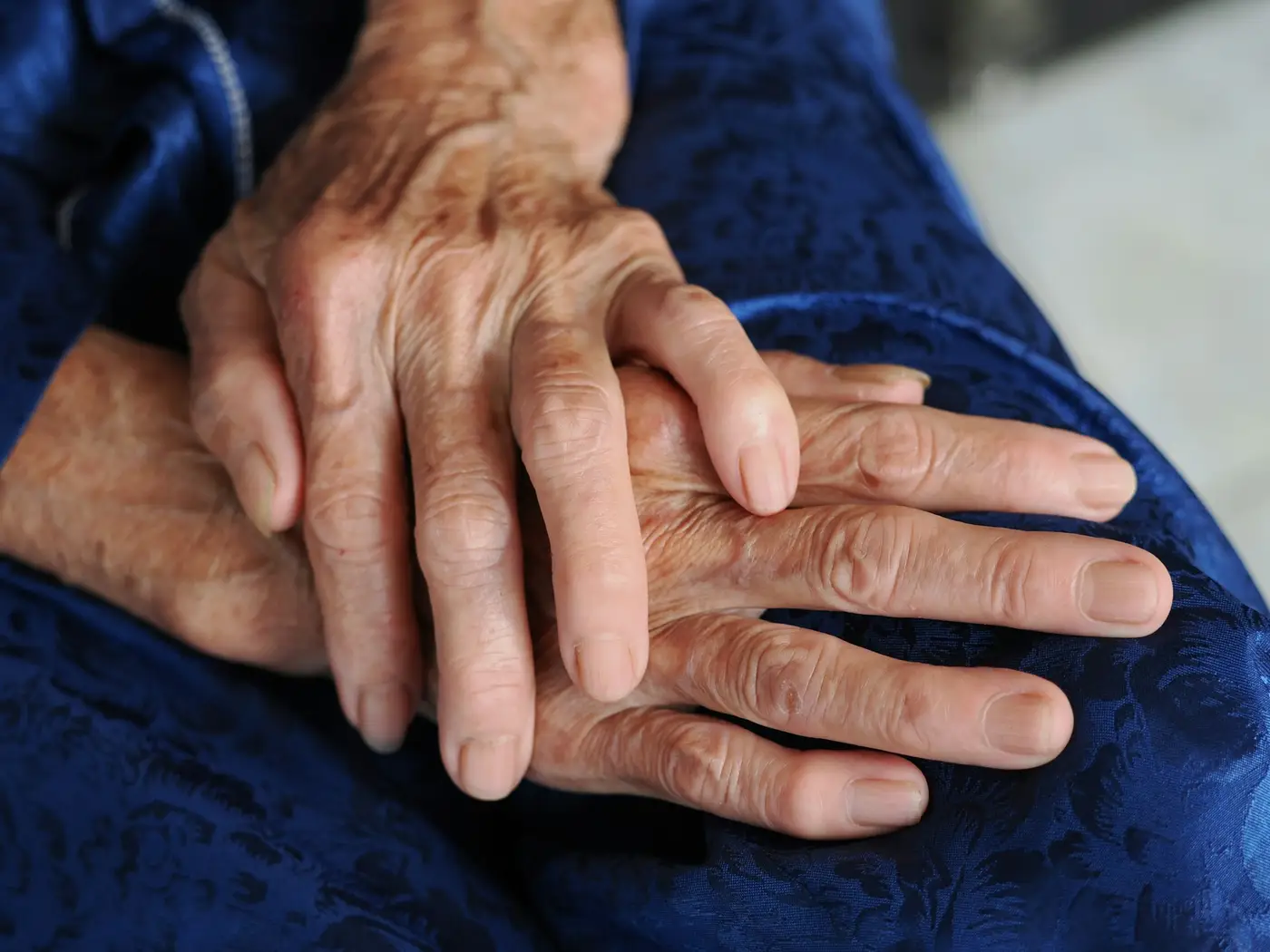
In Their Words亲述
His own account, set inside the verified history of his time. So the people who come after can see those years through his eyes.把他亲口讲的经历,放回经过考证的那个年代。让后来的人,从他的眼睛看见当年的日子。
A concept. The family in the demo is fictional.概念阶段 · 演示中的家庭为虚构
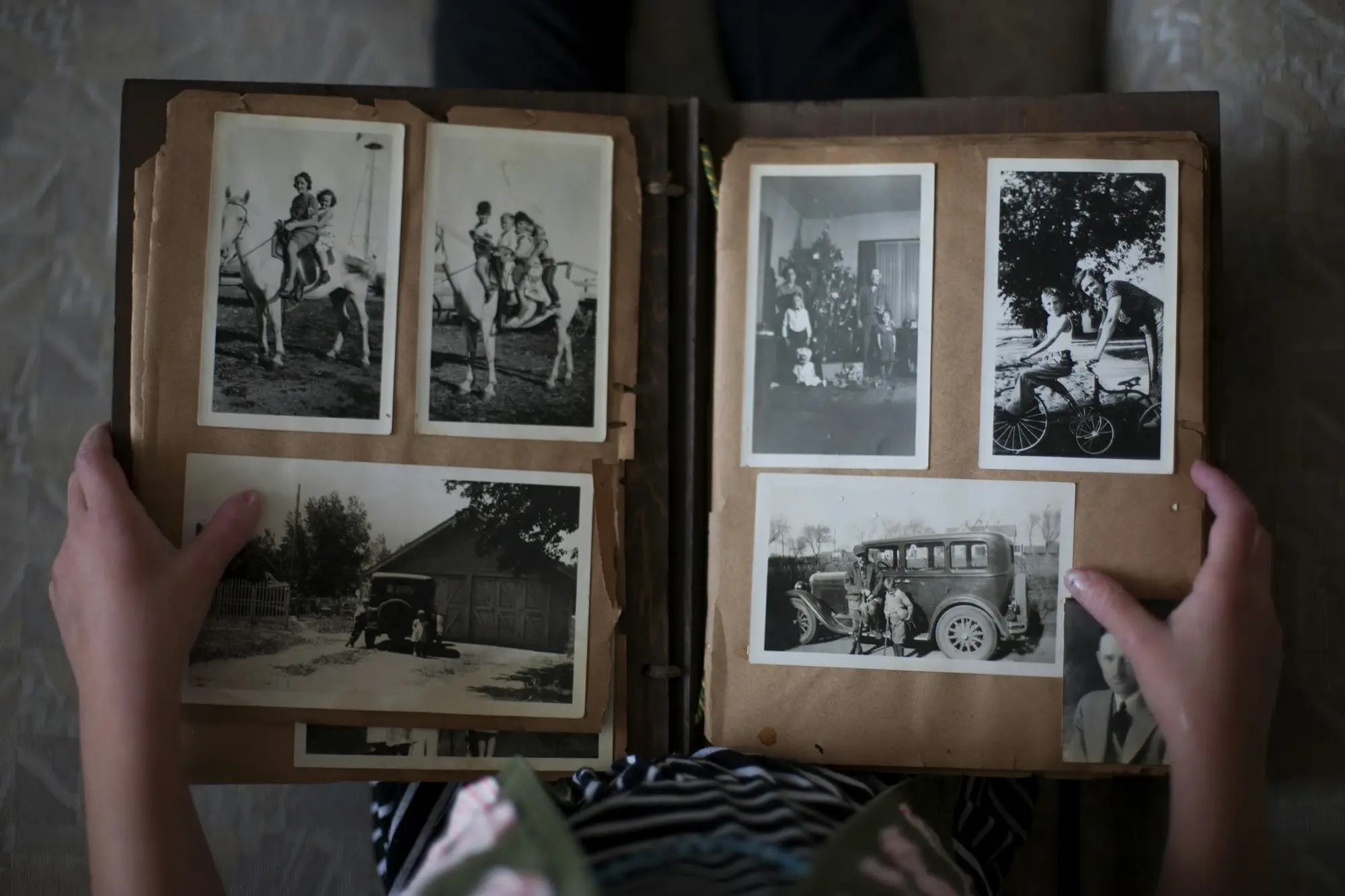
Family history today现在的家史
A memoir printed for an eightieth birthday. A recording played at a farewell. Both are read with care, once, and then put away. A book tells one story in one order. It can't answer the question a granddaughter thinks of ten years later, and it leaves her to imagine a world she never saw.
八十大寿时印的一本回忆录,告别会上放过的一段录音。都被认真看过一次,然后收了起来。一本书只能按一种顺序讲一个版本。它回答不了外孙女十年后才想到的问题,也只能让她自己去想象一个从没见过的年代。
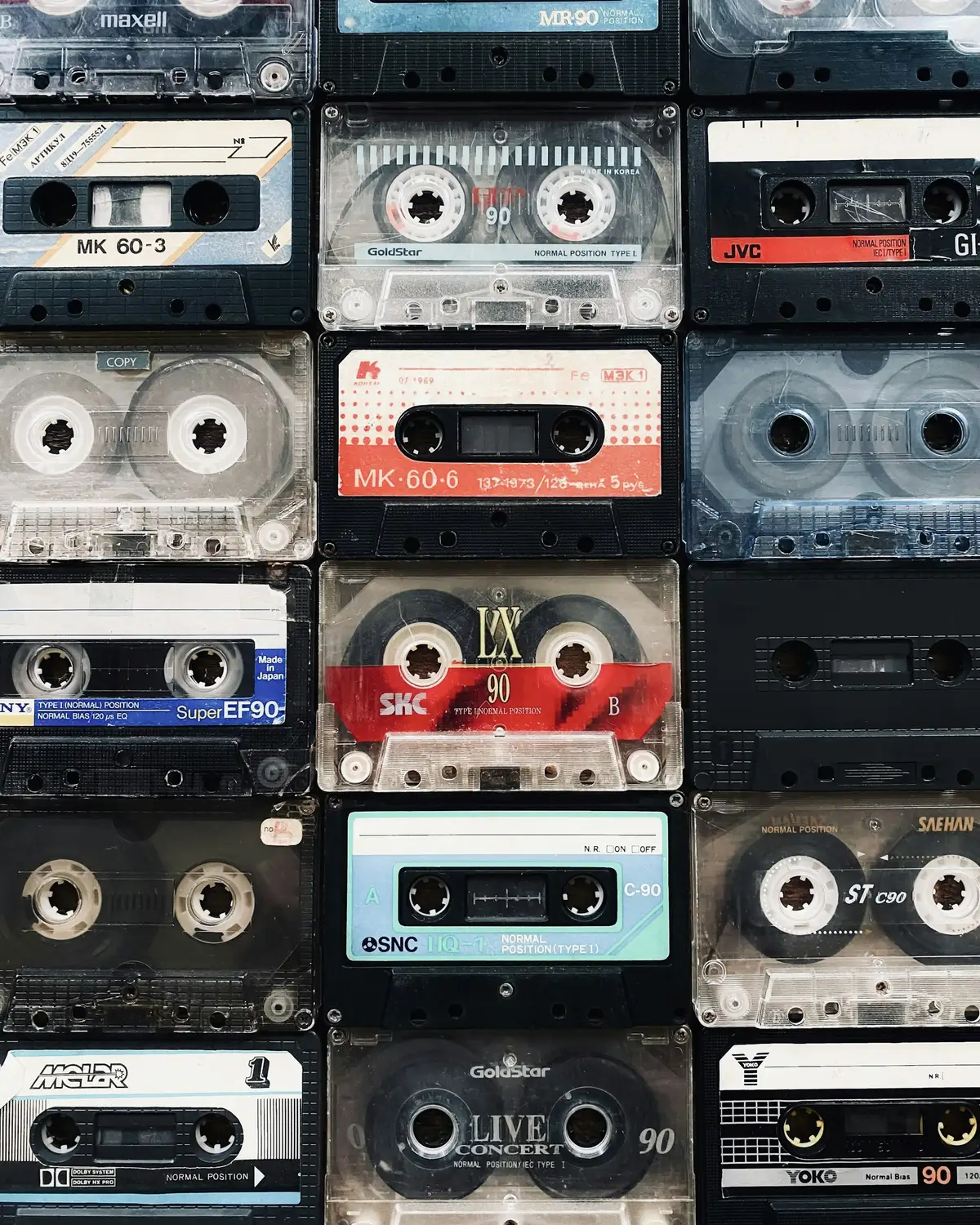
What we keep我们留下什么
Four layers, kept together and kept apart. Together, so you can step into his year. Apart, so you always know which is which.
四层内容,放在一起,又分得清清楚楚。放在一起,你才能走进他的那一年;分得清楚,你才知道哪句是他说的,哪条是考证过的。
Hours of conversation in his own words, kept whole instead of cut down to a chapter.好几个小时的谈话,用他自己的话,完整留下,不删成一章。
Before the first interview, we map what happened around him and use it to ask better questions. “Where were you when the exam came back?”第一次采访之前,先把他身边那几年发生的事整理成时间线,用它来提问:「恢复高考的消息传来时,你在哪?」
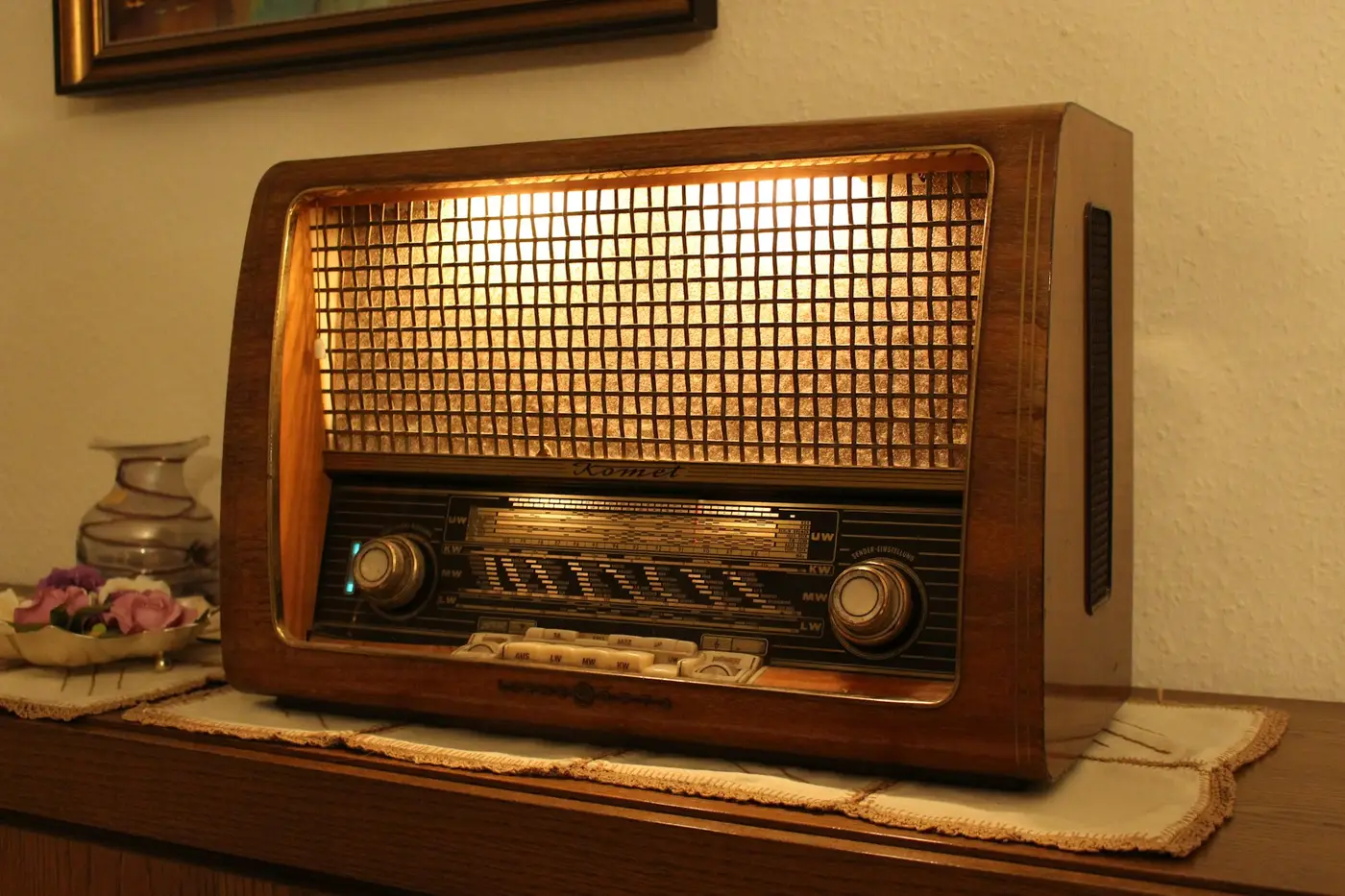
Dates, numbers and places are checked against sources and labelled with them. A memory is kept as a memory. A fact is kept with its source.日期、数字、地点逐条对照史料,标明出处。记忆按记忆保存,史实带着出处保存。

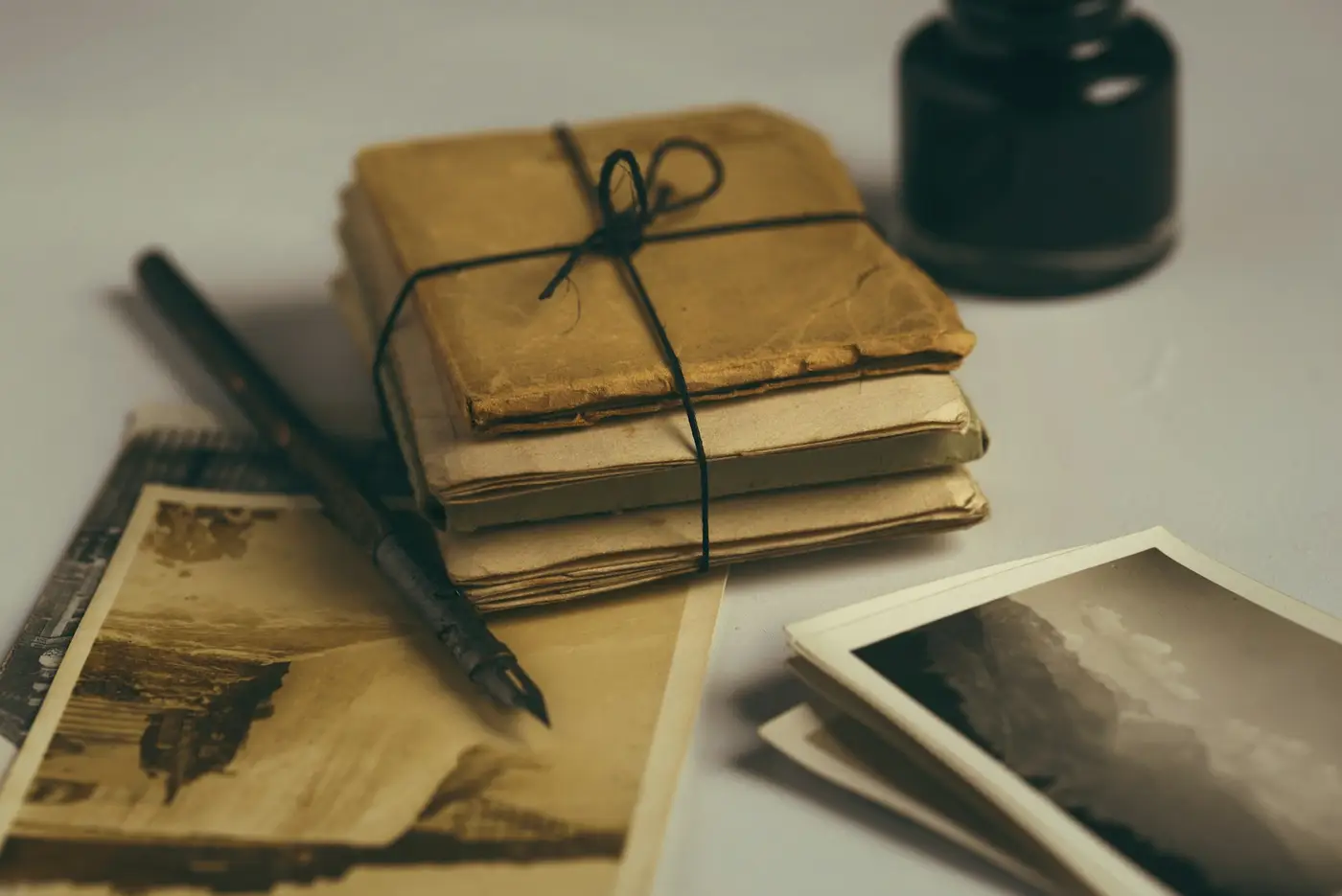
Letters, notebooks, photographs and certificates, scanned and linked to the moments they belong to.信件、笔记、照片、证件,扫描存档,挂在它们所属的那一刻上。
1977
林国平 Lin Guoping
Step into his year走进他的那一年History keeps the number.历史记住的,是这个数字。
A family can keep one of them.一个家庭,可以记住其中一个人。
Animation: 3,800 dots stand for the 5.7 million candidates. One turns amber and the view moves in to it.
动画:3,800 个点代表 570 多万考生,其中一个点变成琥珀色,画面推近到它。
One year, two lines一年,两条线
One line is the record, checked and sourced. The other is what he remembers, in his words. Read them together and you are standing where he stood.
一条线是考证过、带出处的史实,一条线是他用自己的话讲的记忆。两条一起看,你就站在了他当年站的地方。
Oct 19771977 年 10 月
The State Council decides to restore the national university entrance exam, suspended for more than a decade.国务院决定恢复停止了十余年的高考。
Source: Xinhua出处:新华网“I was under a tractor at the repair station when the loudspeaker read it out.”「那天我正钻在拖拉机底下呢,喇叭里就念了。」
Interview 1 · 08:14采访一 · 08:14Oct–Nov 19771977 年 10—11 月
Each province writes its own papers and counties run the exam. Science candidates sit politics, Chinese, maths and physics–chemistry.各省自行命题,各县组织考试。理科考政治、语文、数学、理化四门。
Source: ECUST Archives出处:华东理工大学档案馆“Teacher Wang lent me his old maths book. After work I'd copy it, a few pages a night.”「王老师把他那本旧数学书借我,我下了班就抄,一晚上抄几页。」
Interview 1 · 11:02采访一 · 11:02Winter 19771977 年冬
Exams run between 28 November and 25 December, province by province. More than 5.7 million people sit them.11 月 28 日至 12 月 25 日,各省分别开考,570 多万人参加。
Source: Xinhua出处:新华网“That morning my mum boiled me two eggs. I borrowed the neighbour's bicycle and rode to the county middle school.”「那天早上我妈给我煮了两个鸡蛋。我借了隔壁的自行车,骑到县中学去考。」
Interview 2 · 03:30采访二 · 03:30Early 19781978 年初
About 273,000 are admitted. The Class of '77 starts university.录取约 27.3 万人,「77 级」新生入学。
Source: Xinhua出处:新华网“The notice came to the repair station. The chief opened it first. He was happier than I was.”「通知书寄到站里。站长先给拆了,他比我还高兴。」
Interview 2 · 18:30采访二 · 18:30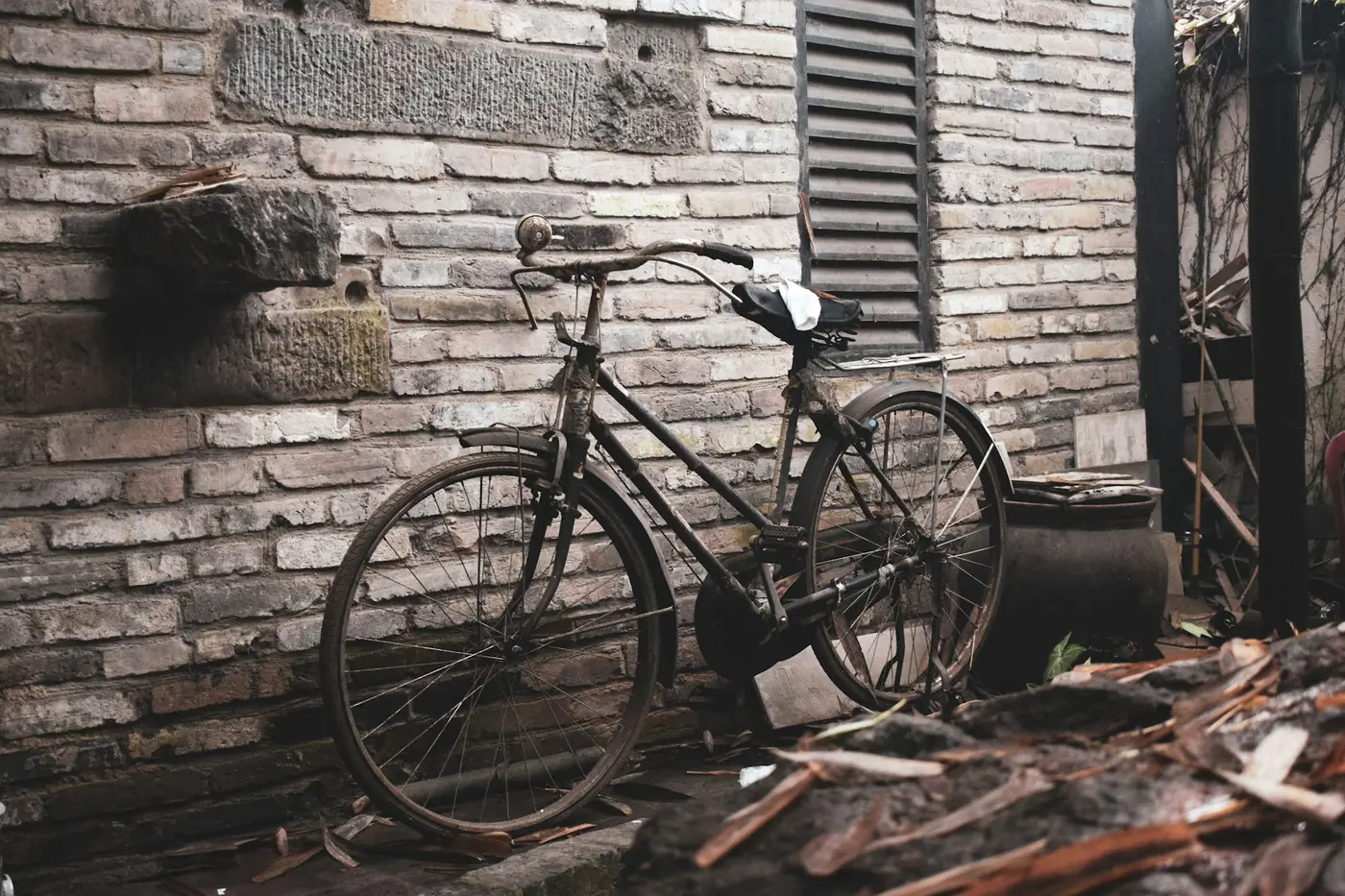
Try it试一试
Pick who is asking. The same archive answers an eight-year-old and his daughter differently, and says plainly when the record is silent. A scripted demo with a fictional family.
选一个提问的人。同一份档案,回答 8 岁的外孙和他的女儿,方式不一样;记录里没有的,会直接说没有。脚本演示,家庭为虚构。
Principles原则
Each answer names the recording and the minute it came from, or the source that backs it.每个回答都标明来自哪段录音的哪一分钟,或者依据哪份史料。
It never guesses what he felt. A gap becomes a question for the next interview.不替他猜感受。空白会变成下次采访要问的问题。
The record is shown next to his account and never told as something he lived.史实放在他的讲述旁边,绝不说成他的亲身经历。
Answers are organised from what he said. The verbatim transcript is always there.回答由他说过的话整理而成,逐字记录随时可以核对。
Nothing opens to the family until the person it is about has checked it.本人核对之前,不向家人开放。
Every recording, scan and transcript can be exported at any time.所有录音、扫描件和逐字稿,随时可以导出。
No cloned voices. No avatars. Nothing he didn't say.不克隆声音。不做数字形象。不替他说他没说过的话。
Process流程
We build a verified timeline of the years in question: national events, local changes, the details of daily life.把要讲的那几年整理成考证过的时间线:国家大事、地方变化、日常生活的细节。
Interviews prompted by that timeline, while he can still tell it and still check it.用时间线引导访谈,趁他还能讲,也还能核对。
Letters, notebooks and photographs are scanned and tied to the moments they belong to.信件、笔记、照片扫描存档,挂到它们所属的那一刻。
Every date and number is checked against sources. Every recording is transcribed and indexed to the minute.每个日期、数字都对照史料;每段录音逐字转写,按分钟编索引。
He reviews it first. Then the family gets access, a full export, and the list of questions for next time.本人先审阅。之后家人获得访问权、完整导出,以及下次要问的问题清单。

Why now为什么是现在
People now in their seventies and eighties lived through enormous breaks: village to city, one country to another, one language to the next. Many of their grandchildren grow up somewhere else, reading another language. The stories are still here, and so are the people who can tell them and check them.
如今七八十岁的这一代人,经历了巨大的断层:从乡村到城市,从一个国家到另一个国家,从一种语言到另一种语言。他们的孙辈很多在别处长大,读的是另一种语言。故事还在,能讲、能核对的人也还在。
1955
林国平
2011
Mia, his granddaughter米娅,外孙女
Where this is现在走到哪一步
This is a concept. The demo is scripted and the family is fictional; no AI model runs on this page. The next step is one pilot family: one person, one period of their life, an agreed number of interview hours, and their own review before anything is shared.
这是一个概念。演示为固定脚本,家庭为虚构,页面上没有运行任何 AI 模型。下一步是一户试点家庭:一个人,一段人生,约定的采访时长,所有内容先经本人审阅再开放。
Would your family be the first? Ask the person who showed you this page.愿意成为第一户吗?问问给你看这个页面的人。